Raising Hope
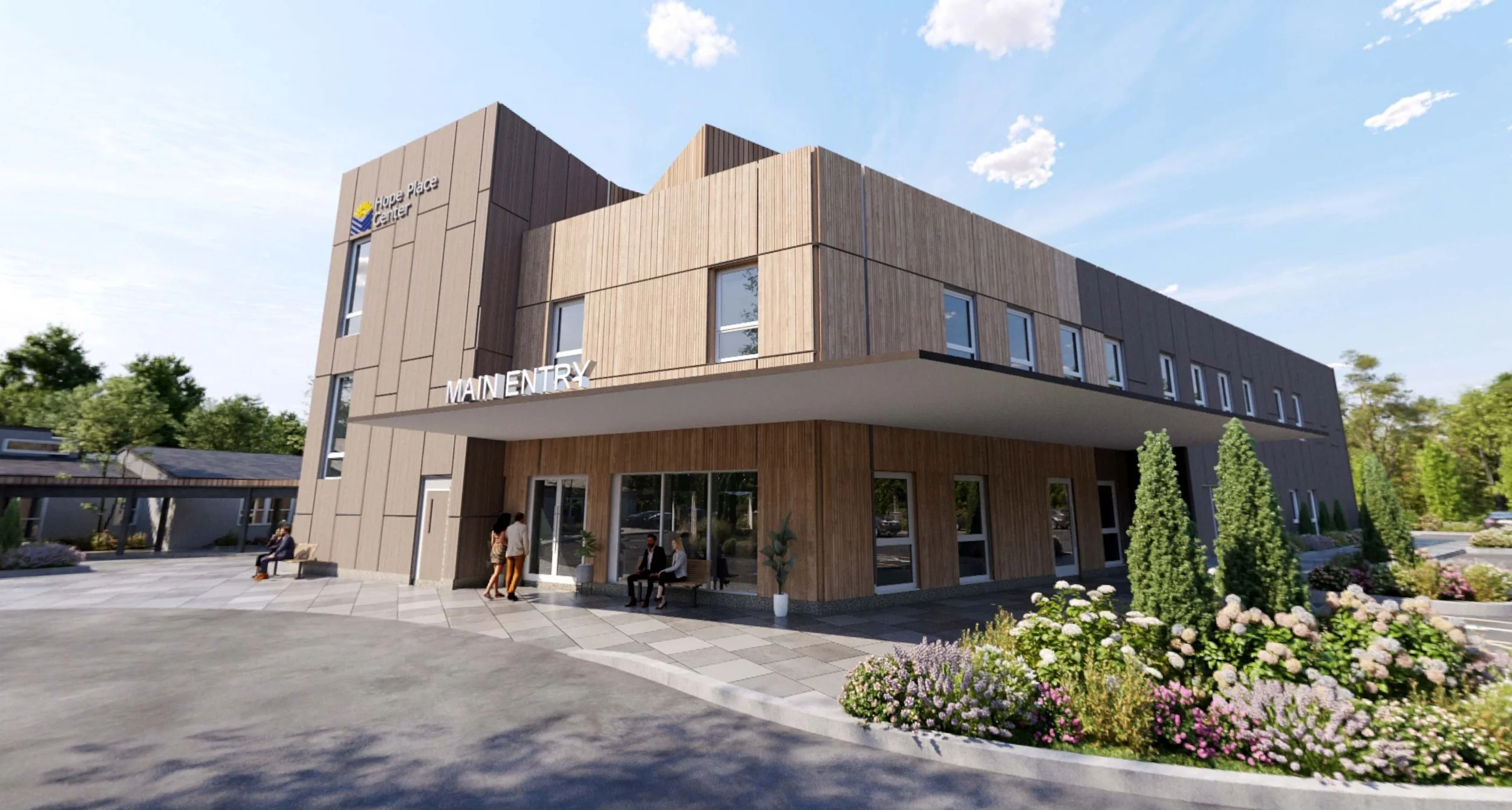
Expanding Residential Addiction Treatment in Halton
Across Ontario, fewer than 1,400 publicly funded residential addiction treatment beds exist for a province of 15 million people — and only 102 publicly funded residential treatment programmes operate province-wide. For people in Halton seeking structured, bed-based care, that scarcity is not an abstraction. It is a waitlist. It is a referral that goes nowhere. It is a person in crisis who is ready for help and told to come back later.
That gap has consequences that reach far beyond the individual. Untreated addiction is linked to job loss, family breakdown, housing instability, and increased strain on emergency services and the justice system. Lost productivity from substance use cost the Canadian economy $22.4 billion in 2020. When people cannot access timely, structured treatment, the costs are absorbed by every other part of the system.
Hope Place Centres, a founding member of the Mental Health + Addictions Alliance (MH+A Alliance), has launched a $4-million capital campaign to address that gap directly. Approved by the Ministry of Health, Hope Place Centre’s expanded site will offer 46 residential beds, over 21,855 sq. ft. of dedicated treatment space, and 23 full-time staff positions — a meaningful increase in the region's capacity to deliver abstinence-based, trauma-informed, bed-based care.
"Halton has never had enough residential treatment capacity to meet the demand we see every day,” explains Amy Wilson, CEO of Hope Place Centres.”This facility isn't just about adding beds — it's about building the kind of integrated, trauma-informed care environment that gives people a real chance at sustainable recovery, and gives our system the infrastructure it's been missing."
Hope Place has been delivering that kind of care since 1975. Their approximately 39-day residential programme combines individualized treatment planning, group therapy, individual counselling, relapse prevention, and holistic supports — including yoga, art, and peer-led programming — within a home-like environment. In the 2024–25 fiscal year, community contacts with service recipients exceeded their target by 178.5%, and client appointments surpassed their goal by 103%. The demand is there. The capacity is not.
That mismatch matters for the entire Halton system. The MH+A Alliance collectively logs 122,504 agency visits and serves 13,881 people annually across the region. Greater residential capacity at Hope Place means reduced pressure across the care continuum — fewer people cycling through emergency departments, more effective referral pathways between community partners, and the ability to move people through care more efficiently and humanely.
For Alliance partners working to build integrated care pathways across Halton, Hope Place's expanded facility is a critical piece of the infrastructure those pathways depend on. Approximately 10% of Ontario's population uses substances problematically, and roughly one in five will meet the criteria for addiction in their lifetime. Those numbers are reflected in every community in Halton — in families managing a loved one's addiction, in employers, in schools, and in the caseloads of frontline workers across the region.
Recovery, when it happens through structured, evidence-based programming, has returns that extend well beyond the individual. People return to their families, to work, and to their communities. The children in their lives grow up in more stable homes. For a region committed to building a more integrated, responsive mental health and addictions system, that is exactly the kind of outcome this investment is designed to produce.